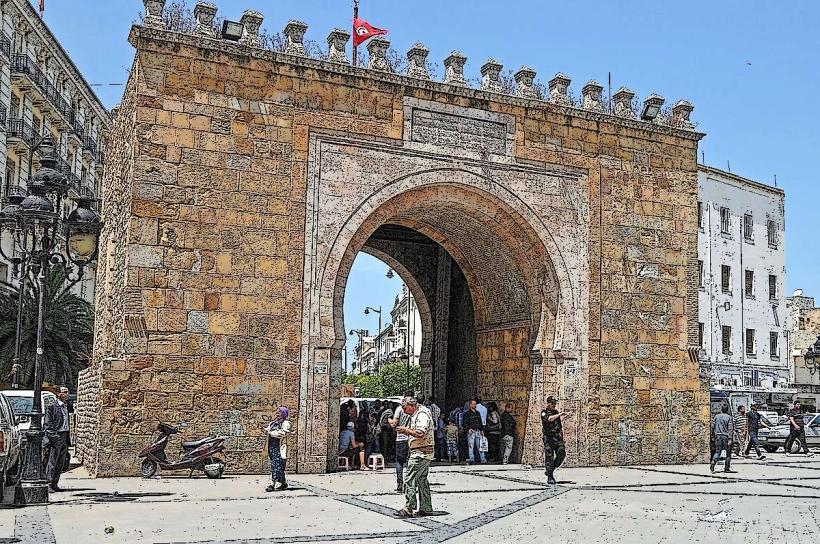
Information
Landmark: Medina of KairouanCity: Kairouan
Country: Tunisia
Continent: Africa
Medina of Kairouan, Kairouan, Tunisia, Africa
Overview
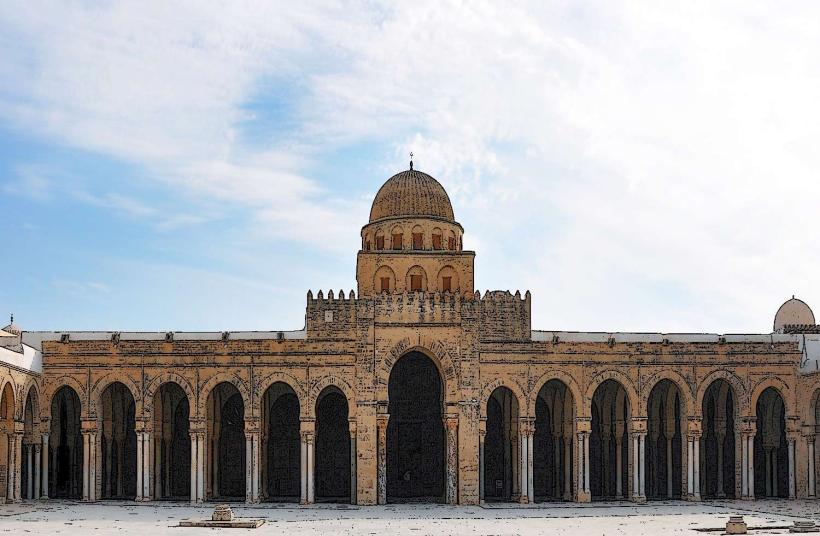
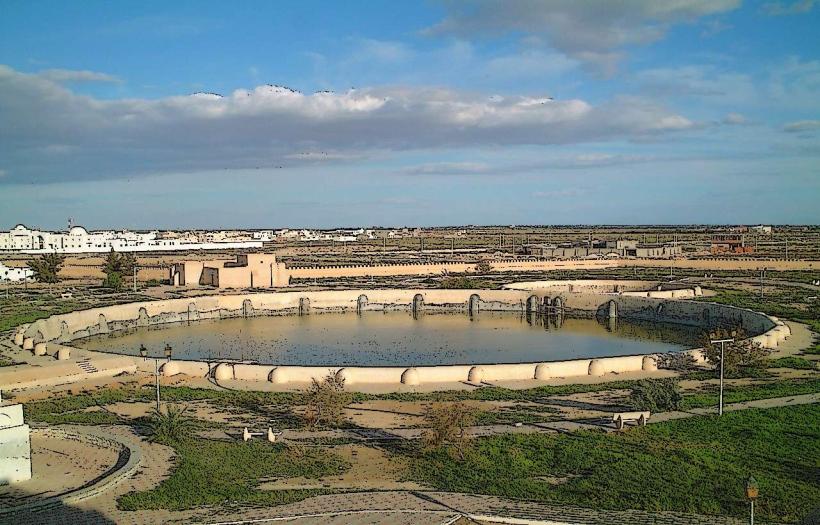
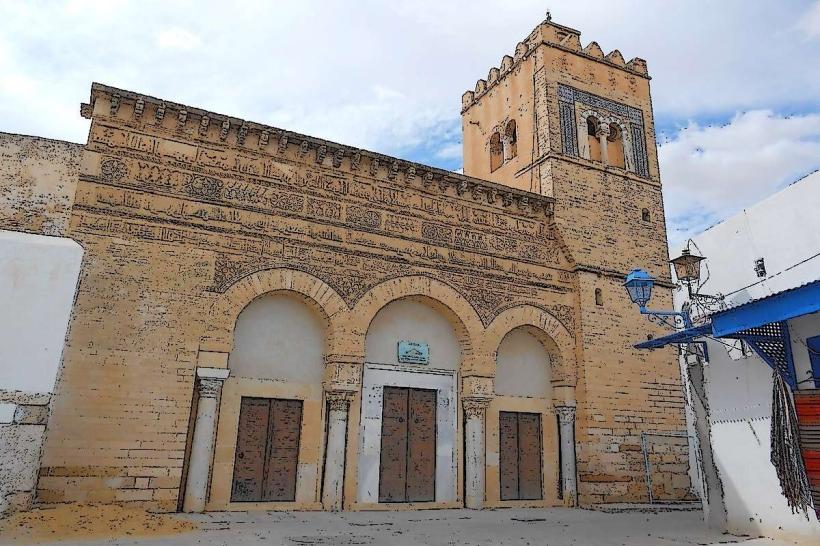
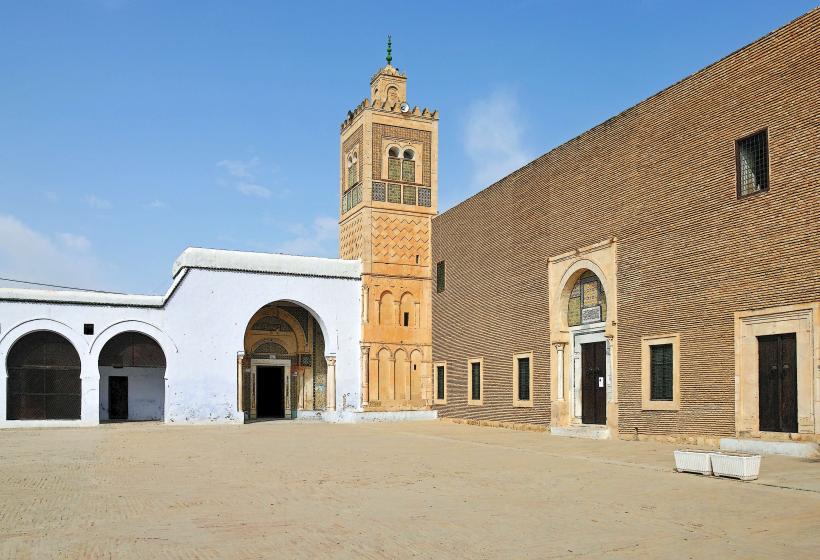
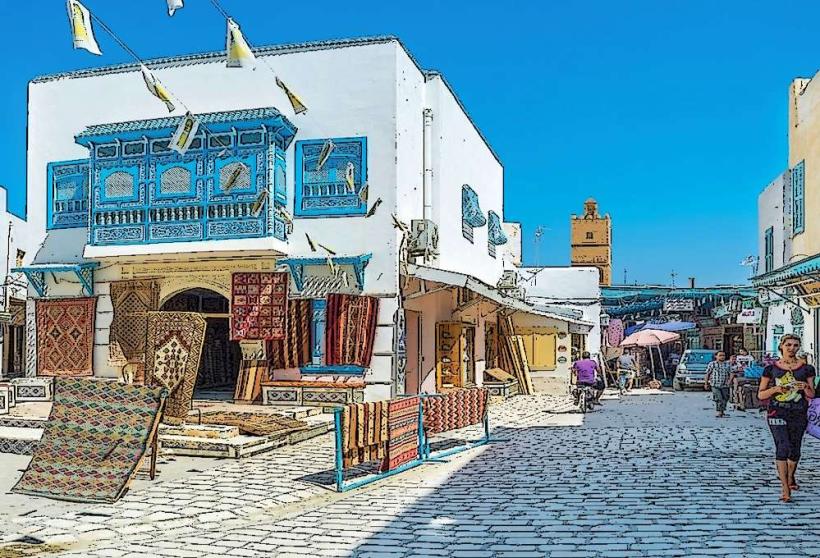
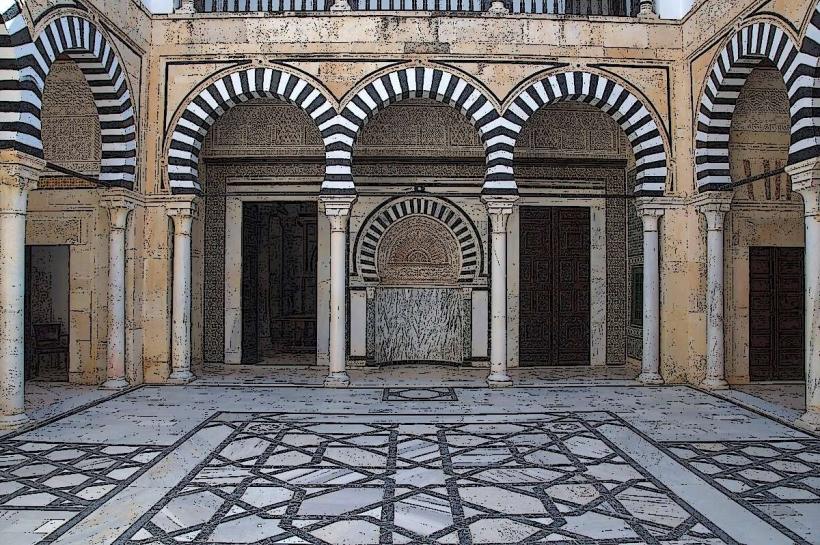
In central Tunisia lies the Medina of Kairouan, a city whose winding alleys and ancient mosques make it one of the Islamic world’s most necessary centers of history and faith, along with arab general Uqba ibn Nafi founded it in 670 AD, and today it ranks as Islam’s fourth holiest city, after Mecca, Medina, and Jerusalem.In 1988, UNESCO recognized Kairouan’s medina-the heritage city with its maze of narrow alleys-as a World Heritage Site for its remarkable Islamic architecture, intricate urban layout, and deep historical significance, consequently kairouan sprang to life during the early Islamic conquests in North Africa and soon stood out as the Maghreb’s first Islamic city, its whitewashed walls gleaming under the desert sun.In the 9th century, it rose to become the capital of the Aghlabid dynasty, bustling with Islamic learning, religious debate, and rich cultural life that filled its sunlit courtyards, meanwhile the city was central to Islam’s reach, carrying its teachings from the Maghreb down into sub-Saharan Africa, like a caravan winding through sun-baked desert roads.Over the centuries, the medina’s walls rose higher and its streets stretched wider, yet it kept its venue as a spiritual heart, even after power moved to cities like Mahdia and Tunis, then highlights and must-perceive spots in Medina 1, from bustling markets to quiet stone courtyards.The Great Mosque of Kairouan, also called the Mosque of Uqba, stands as one of the oldest and most revered mosques in the Islamic world, its weathered stone walls holding over a thousand years of history, in conjunction with the site was founded in 670 AD, but most of what you spot today-weathered stone walls and all-was built in the 9th century.The mosque’s soaring prayer hall, ancient square minaret, cool marble columns, and a mihrab carved with delicate patterns all showcase the beauty of early Islamic architecture, also the mosque became a vibrant hub of Islamic learning and law, drawing scholars from every corner of the Muslim world, their voices echoing in its shaded courtyards.Number two, simultaneously built in 866 AD, the Mosque of the Three Doors (Jama’ al-Tlat Biban) draws visitors to its ornate façade, where three stone doorways shimmer with Kufic script and delicate floral carvings.This mosque’s facade ranks among the oldest still standing in Islamic history, its stone arches weathered smooth by centuries of wind, meanwhile number three sits on the page like a modest black mark.The Zawiya of Sidi Sahab, known as the Mosque of the Barber, is a lavishly adorned complex built around the tomb of Abu Zama’a al-Balawi-a companion of the Prophet Muhammad-who, legend says, carried three of the Prophet’s hairs tucked safely with him, simultaneously the site holds a mausoleum, a mosque, a wide courtyard, and an ablution fountain where blue tiles and delicate stucco catch the light.Number four, also the Aghlabid Basins, or Les Bassins des Aghlabides, were a vast 9th-century feat of hydraulic engineering, their stone walls still echoing with the sound of flowing water.Two broad, round basins held rainwater gathered from the sky and water carried in by the aqueducts, simultaneously they stand as one of the finest examples of Islamic water management, their channels carrying life through the dust and heat, and they played a vital role in shaping the city’s growth in its harsh, dry climate.Five, not only that the medina sits behind sturdy stone and brick walls, their weathered surfaces carrying stories from as far back as the 8th century.Bab Tounes and Bab ech-Chouhada stand as key gateways, guiding you into the heart of the heritage city where the air smells faintly of spice, moreover the ramparts rise solid and weathered, while the towers stand watch, both showing the strength and design of Islamic military architecture.Number six, alternatively inside the medina, narrow alleys twist between whitewashed houses, their doors opening to souks filled with handwoven rugs and the scent of fresh spices.In the souks, you’ll find wool rugs-Kairouan’s carpets are legendary-alongside hand‑painted ceramics, supple leather bags, gleaming copperware, fragrant spices, and bottles of perfume, as a result homes and streets are shaped by traditional Islamic urban planning, built to protect privacy, offer cool shade, and draw neighbors together, mildly Kairouan rose early in history as a powerful center of Islamic thought in North Africa, its courtyards echoing with the voices of scholars and the rustle of parchment, likewise the region’s theologians and legal scholars helped forge the Maliki school of Islamic law, sketching its principles like ink flowing across a fresh parchment.For many Muslims, making seven pilgrimages to Kairouan counts as the spiritual equal of a single Hajj to Mecca, a belief that underscores the city’s revered standing, in conjunction with step into the Medina of Kairouan and you’re walking through centuries, past weathered stone arches and narrow lanes that whisper stories of the past.The streets still breathe their medieval past, where arches cast cool shadows and domes and minarets rise together against the sky, not only that art and architecture captivate visitors with a graceful balance of simplicity and grandeur, from sharp geometric patterns and flowing Kufic script to sweeping horseshoe arches and cool, glazed tile mosaics.Cultural Experience: The medina isn’t just a relic of the past-it’s a bustling city where families hang laundry from wooden balconies, artisans hammer copper in narrow alleys, and prayers drift from the mosques just as they have for hundreds of years, along with in the end, the Medina of Kairouan stands as one of Tunisia’s greatest cultural treasures, its narrow alleys echoing with centuries of history.This rare, remarkably preserved early Islamic city stands as a vivid landmark in North African history, its sun-baked walls still echoing with the past, on top of that the city’s mosques, madrasas, winding water channels, and carefully arranged streets reveal priceless clues about Islamic civilization and the art of shaping a city, occasionally If you’re drawn to Islamic history, striking architecture, or Tunisia’s rich heritage, you can’t miss the Medina of Kairouan, where sunlit stone alleys whisper stories from centuries past.
Author: Tourist Landmarks
Date: 2025-09-27